A technical and commercial guide to Custom Knitted Fabric Development: A Stage-Gate Model, covering specification, color approval, quality control, testing, costing, lead time and responsible sourcing.
The buying decision in context
Within the Manufacturing Partnership with Türkiye field, Custom Knitted Fabric Development: A Stage-Gate Model should be evaluated through the buyer's exact product and supply-chain objective. The same headline requirement can lead to different specifications for a value program, a premium basic, technical apparel or a repeat seasonal line. The practical task is to translate the subject into measurable inputs, controlled approvals and evidence that remains valid for the proposed bulk lot.
A manufacturing partnership is strengthened by process visibility, realistic capacity planning, retained standards, change notification and shared corrective action. Factory audits and visits should test how information moves from sales to production and quality, not only inspect equipment. Nearshore value comes from faster decisions and controlled replenishment, not geography alone.
A practical decision lens
Prioritize cost transparency: compare quotations with identical construction, tolerances, testing, packing, Incoterm and expected usable yield.
Why this subject matters to a B2B buyer
Custom Knitted Fabric Development: A Stage-Gate Model is not only a technical textile subject; it is a commercial decision that can affect garment fit, visual consistency, conversion efficiency, returns and delivery reliability. A professional buyer therefore evaluates the fabric as a controlled system rather than as a swatch with an attractive hand feel. The useful starting point is the end use, target consumer, care instruction, garment construction and expected retail position. Those inputs determine which properties are essential, which are negotiable and which must be verified before bulk commitment. This approach gives the manufacturer a clear decision framework and prevents subjective discussions late in the program.
Convert the product idea into a measurable specification
A workable brief for Custom Knitted Fabric Development: A Stage-Gate Model should state fiber composition, yarn type and count where relevant, knitted construction, target mass per unit area, usable width, color reference, finish, roll presentation and intended garment. It should also state tolerances and the condition in which measurements are taken. Nominal values without an agreed test method can create false precision: two laboratories may condition, wash or measure samples differently and obtain results that are not directly comparable. Buyers should separate a target from an acceptance range and identify the properties that are critical to quality. The resulting specification becomes the common language for product development, costing, production and inspection.
Align yarn, knitting and dyeing decisions
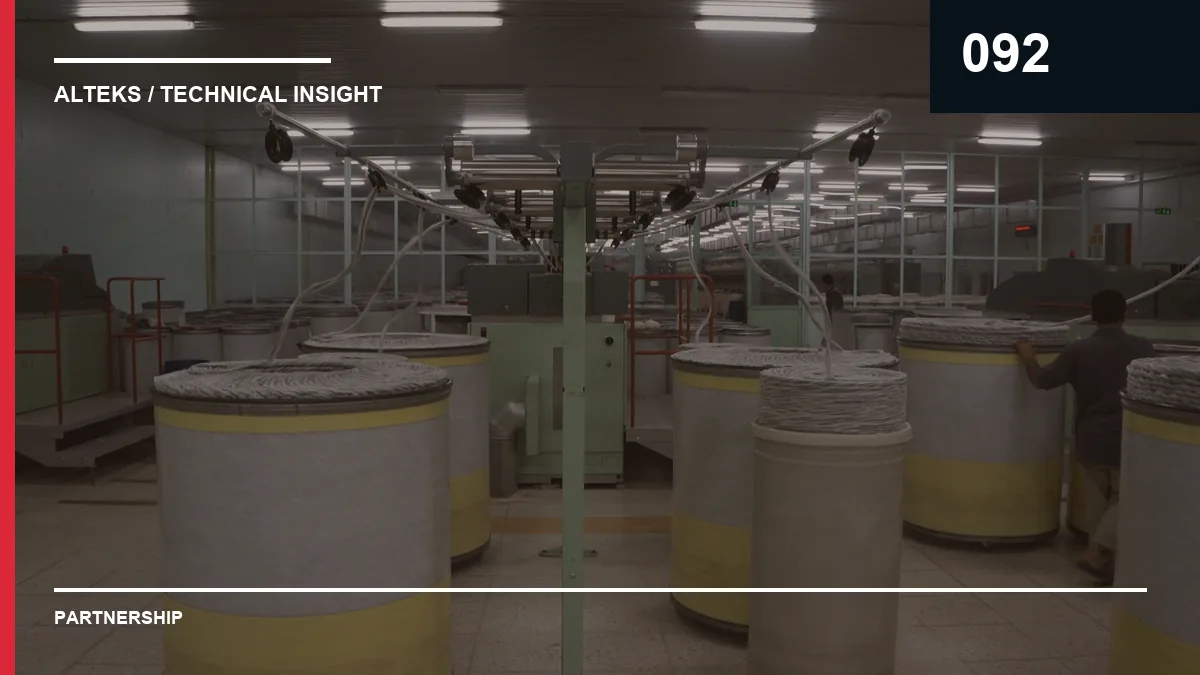
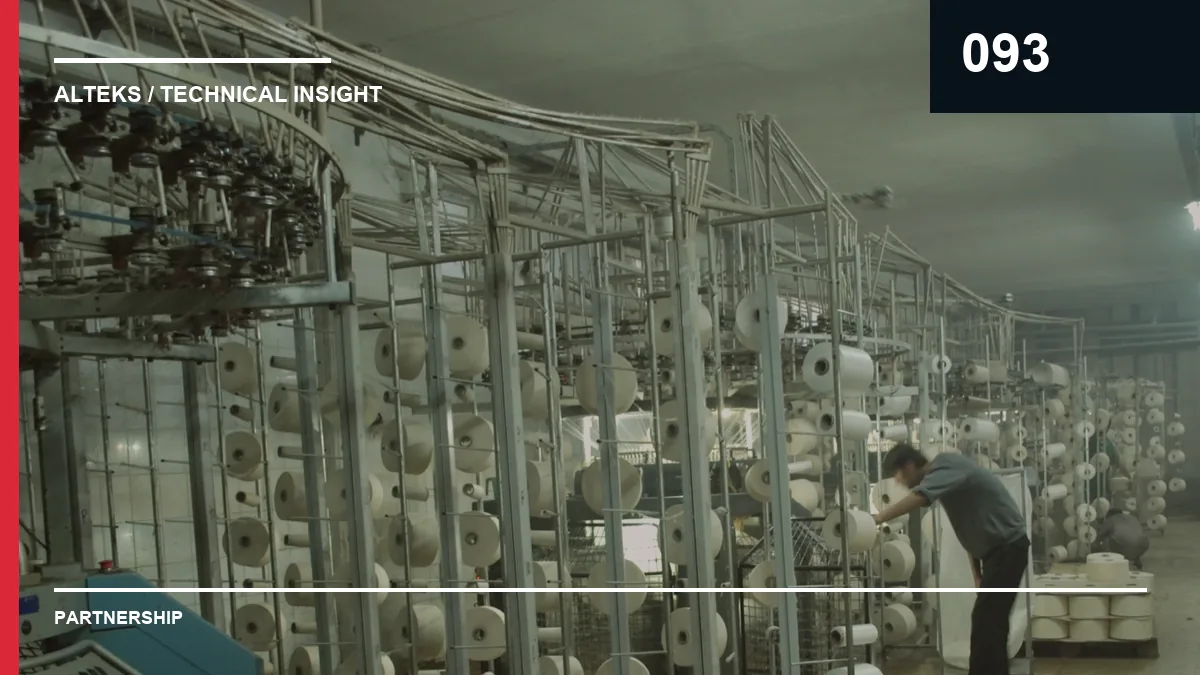
Yarn selection, machine settings, greige preparation, dye class, process route and finishing conditions interact. Changing one element can modify shade, surface appearance, width, weight, shrinkage or hand feel. For that reason, a dyed knitted fabric should not be engineered by optimizing each stage independently. A stable route begins with an agreed raw-material identity and a knitting plan suitable for the required structure. Pretreatment must then create an even, reproducible substrate for coloration. Dyeing and finishing should achieve the commercial target without hiding instability that reappears after cutting, sewing or laundering. Process records make repeat orders easier to diagnose and reproduce.
Define performance with test methods and tolerances
The test plan for Custom Knitted Fabric Development: A Stage-Gate Model must follow the end use. Common controls can include composition, mass, width, dimensional change, spirality, bursting strength, pilling, abrasion, stretch and recovery, and color fastness to washing, rubbing, perspiration or light. Not every test is necessary for every product, and an impressive value has little meaning without a method, conditioning regime and acceptance criterion. The buyer should identify the applicable customer manual or recognized method and define when testing occurs: development, pre-production, bulk or periodic verification. Testing is most effective when it informs process control, not when it is used only to explain a failure after shipment.
Connect quality requirements to garment manufacturing
Fabric performance must be verified in the garment process. Relaxation, spreading tension, marker planning, cutting direction, sewing differential and pressing can change the result even when the roll meets its basic specification. A pilot cut or size set helps the brand connect laboratory values with actual fit and appearance. Buyers should share construction details and known sewing risks early, particularly for elastic, brushed, lightweight or dimensionally sensitive structures. The goal is not merely to buy acceptable fabric; it is to obtain efficient garment output with controlled consumption, manageable rework and a stable appearance after the care cycle promised to the consumer.
Evaluate chemical, environmental and traceability evidence
Responsible sourcing depends on evidence that matches the claim. A certificate, test report or transaction document has a defined scope, product coverage, holder, validity period and chain-of-custody logic. Buyers should verify those details instead of treating a logo as a general guarantee. Chemical management should address inputs used in wet processing as well as restricted substances in the finished article. Wastewater, energy, water and traceability data should be reviewed with clear boundaries and reporting periods. Requirements such as OEKO-TEX, EU REACH, ZDHC, GRS or RCS must be discussed against the current official rules and the exact product, market and claim; they should never be assumed from unrelated paperwork.
Model price, minimum quantity and lead time together
The lowest quoted price is not always the lowest landed or converted cost. Fiber and yarn, knitting productivity, dye yield, shade difficulty, finishing route, testing, inspection, packing, minimum quantity and production loading all influence the offer. Usable width, shrinkage, defects and spreading behavior also affect garment yield. Buyers should compare quotations on the same technical basis and specify whether laboratory work, certificates, special testing, packaging or delivery terms are included. Lead time should be mapped by stage, with approval time and buyer response time shown separately. A realistic plan includes decision dates, capacity reservation, material availability and a controlled allowance for corrective work.
How Alteks approaches an inquiry
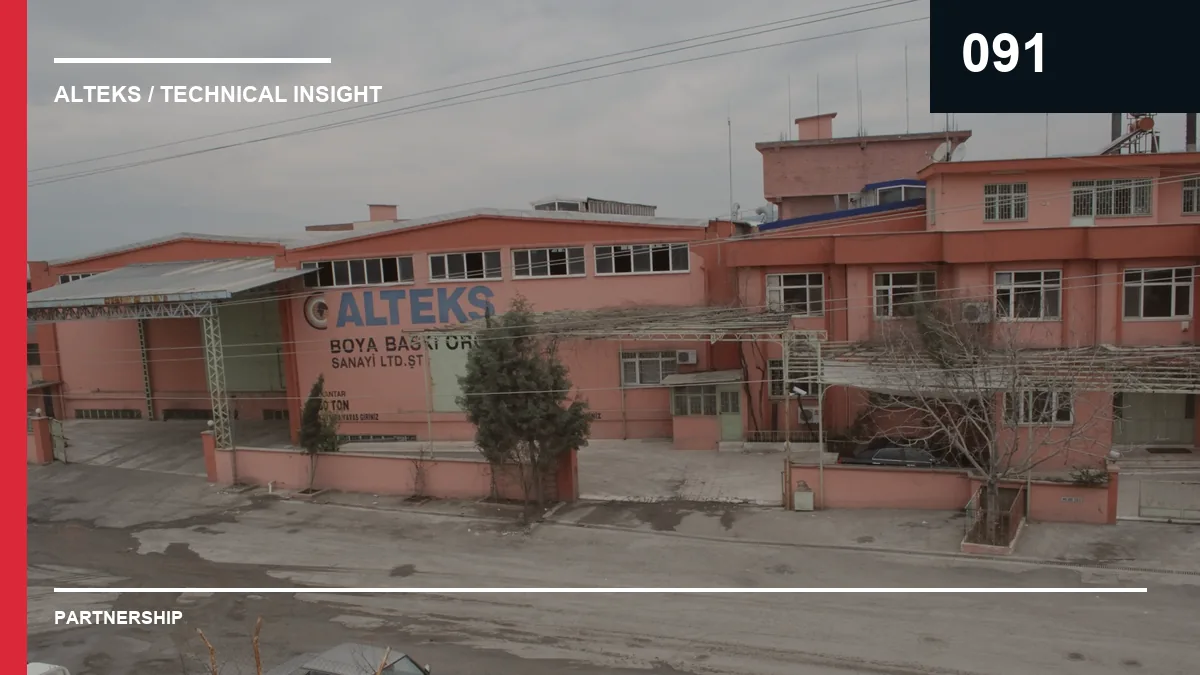
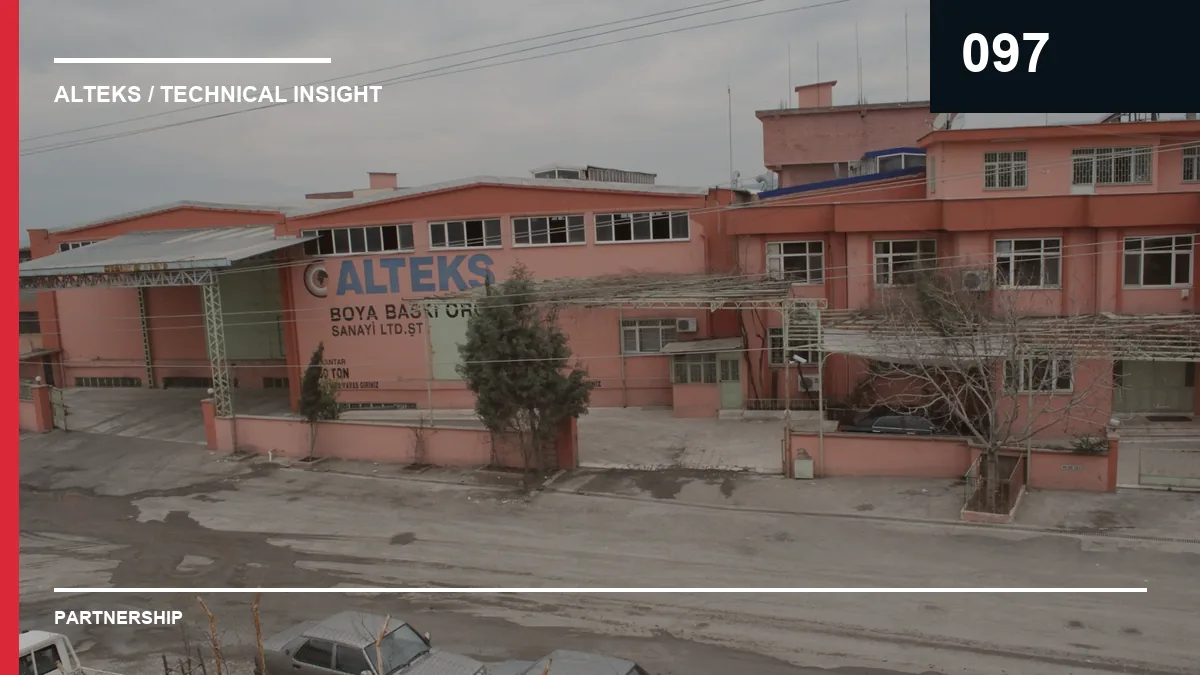
Alteks operates in Kahramanmaraş, Türkiye, as a yarn-to-knitted-dyed-fabric manufacturer serving B2B requirements. For an inquiry about Custom Knitted Fabric Development: A Stage-Gate Model, the useful first step is a complete brief rather than a price-only question. The discussion can then connect the desired construction and color to raw material, knitting, dyeing, finishing, testing and commercial planning. Samples, tolerances, documentation and production milestones should be agreed before bulk approval. This integrated conversation allows the buyer to see dependencies earlier and gives the production team a clearer basis for feasibility review, costing and repeatability. Specific capabilities, certificates and performance claims should always be confirmed for the proposed article and order.
Buyer checklist before requesting a quotation
- State the garment, consumer, market and care instruction.
- Provide fiber composition, structure, target weight and usable width.
- Attach a physical color standard or identify the controlled digital reference.
- Separate target values from permitted tolerances.
- List mandatory test methods and minimum performance levels.
- Give forecast volume, order quantity and color breakdown.
- Define sample, lab-dip, pre-production and bulk approval owners.
- Clarify inspection, roll, shade-band and packing requirements.
- Identify the destination market and evidence required for claims.
- Agree the Incoterm, delivery window and shipment documentation.
- Record changes in one controlled specification version.
- Confirm the exact scope of certificates before publication or labeling.
Frequently asked questions
What information gives the fastest reliable quotation for Custom Knitted Fabric Development: A Stage-Gate Model?
A complete technical brief, expected volume by color, required tests, approval route, delivery window and Incoterm allow the manufacturer to assess feasibility and cost on one consistent basis. A sample alone is useful but does not define tolerances, end use or documentation requirements.
Should a buyer approve color visually or instrumentally?
Both methods have a role. Instrumental data supports repeatability and tolerance control, while trained visual assessment under agreed light sources identifies appearance effects that a single number may not explain. The standard, illuminants and decision rule should be agreed before lab-dip submission.
Can one test report cover every future order?
Usually not automatically. Reports relate to a tested sample, method, date and scope. Fiber source, recipe, finish or regulation can change. Buyers should define when initial, bulk or periodic re-testing is required and verify the current validity of supporting documents.
How can repeat orders become more consistent?
Lock the approved construction and process route, retain physical and digital standards, identify raw-material and dye lots, review production history, and agree change notification. Consistency improves when both parties use the same specification version and analyze deviations with traceable data.
Discuss your knitted dyed fabric requirement
Send Alteks your construction, composition, target weight, width, colors, quantities, test requirements and delivery plan. The team can review the project from yarn and knitting through dyeing and finishing before preparing the commercial proposal.